
Instrument rating is an important part of the flight training needed to begin a career in aviation. Though not an explicit requirement before taking a commercial pilot checkride, instrument rating is needed to avoid restrictions on a student’s commercial pilot license. An instrument rating course teaches students to fly solo using the aircraft’s instruments, operating safely in low-visibility conditions such as clouds, fog, and reduced visibility.
What Is Instrument Rating
An instrument rating is an additional qualification added to a pilot certificate that authorizes pilots to fly under Instrument Flight Rules (IFR) in instrument meteorological conditions. Without this rating, pilots holding only private or commercial certificates must fly under Visual Flight Rules (VFR), which requires maintaining visual reference to the ground and staying clear of clouds.

The pilot instrument rating fundamentally changes how pilots interact with the National Airspace System. With an instrument rating, pilots can:
- Access the full capabilities of modern avionics and navigation systems
- Fly through clouds and low-visibility conditions safely
- Operate in controlled airspace that requires IFR clearances
- Navigate using instrument approaches to land at airports in poor weather
- File and fly IFR flight plans for enhanced safety and efficiency
The instrument rating course emphasizes using an aircraft’s instruments to fly solo rather than visual cues outside the aircraft. Pilots learn to trust their instruments even when conflicting information is present—a critical skill that prevents spatial disorientation accidents.
At Superior Flight School, our instrument rating course prepares you for both the FAA knowledge test and practical exam, ensuring you develop the precision flying skills and systems knowledge required for safe instrument operations.
The Benefits of Getting Your Instrument Rating
Earning an instrument rating provides numerous advantages to a pilot whether they’re flying for a regional airline or major airline internationally.
Benefits of obtaining an instrument rating include:
- Enhanced Safety: Instrument training makes operating an aircraft safer in any condition. Even when flying VFR, instrument-trained pilots can handle an aircraft more precisely and respond well to unexpected weather encounters.
- Weather Flexibility: The instrument rating dramatically expands a pilot’s midflight options. Rather than canceling flights due to low clouds or reduced visibility, pilots can still safely operate in most weather conditions.
- Access to More Airspace: Many airport approaches and certain airspace require IFR clearances. Having an instrument rating can be a selling point when trying to get hired by an airline, as you will have clearance for more restricted airspaces.
- Career Requirements: Instrument rating forms the foundation for flying commercially. Airlines often expect applicants to have instrument experience.
- Improved Flight Planning: IFR flight planning teaches pilots to work within the air traffic control system, file flight plans, interpret weather products more thoroughly, and make informed go/no-go decisions based on comprehensive weather analysis.
- Better Resource Management: Using instrument rating when flying requires communication, navigation, aircraft control, and systems monitoring. These skills translate directly to the airline flightdeck environment.
Student pilots training toward commercial airline careers benefit from instrument rating to help showcase their advanced training that will help them begin their career as a professional pilot.
FAA Instrument Rating Requirements
The FAA determines specific requirements for earning your instrument rating. Through both Part 61 and Part 141 programs, Superior Flight School prepares each student to comply with these requirements.
Part 61
Part 61 instrument rating requirements provide flexibility in how you structure your training. To qualify for the instrument rating under Part 61, you must:
- Hold at least a private pilot certificate
- Be able to read, speak, write, and understand English
- Hold at least a current third-class medical certificate
- Gain 50 hours of cross-country flight time as pilot in command (at least 10 hours must be in airplanes for an instrument-airplane rating)
- Gain 40 hours of actual or simulated instrument time
- Pass the FAA instrument rating knowledge test
- Pass the instrument rating practical test with an FAA examiner
Part 61 training at Superior Flight School offers flexibility in scheduling and pacing, making it ideal for pilots balancing training with other commitments.
Part 141
Part 141 instrument rating requirements follow a FAA-approved curriculum that outlines a structured path towards certification. A Part 141 instrument rating course requires:
- Same as Part 61 (private pilot certificate, English proficiency, medical certificate)
- 35 hours of instrument training (reduced from Part 61’s 40 hours due to the structured curriculum)
- Adherence to a FAA-approved syllabus that ensures comprehensive coverage of all required areas
- Specific stage checks and progress evaluations throughout training
- Passing the FAA instrument rating knowledge test
- Completing all required stage checks and end-of-course test
- Passing the instrument rating practical test with an FAA examiner
Students going through Part 141 programs often complete the rating more efficiently than those going through a Part 61 program. The reduced hour requirement for Part 141 vs Part 61 can also provide cost savings while maintaining high training standards. Your choice between Part 61 and Part 141 depends on your schedule flexibility, learning preferences, and career timeline.
How to Prepare for the Instrument Rating Course
Every student attending Superior Flight School is properly prepared with the skills they need to for success during the instrument rating course. But, there are some tips to help best prepare for the course.
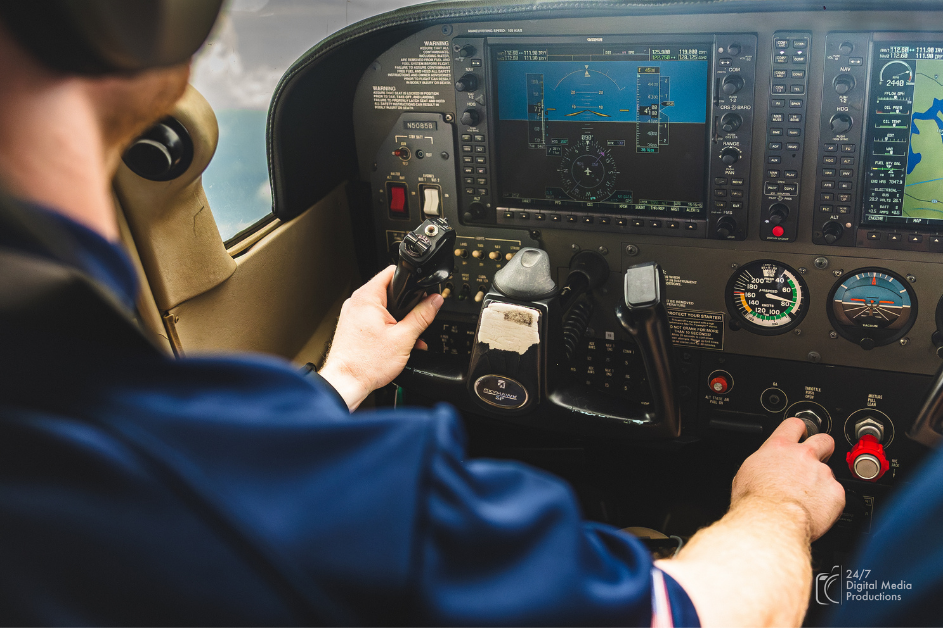
Before starting instrument training, ensure your basic flying skills are solid. Practice holding altitude, heading, and airspeed precisely during VFR flying. The tighter your control during visual flight, the easier instrument flying becomes.
In addition, study instrument procedures, regulations, weather theory, and navigation before your first instrument lesson. Understanding the theory behind instrument flying helps you grasp practical applications faster. Superior Flight School provides comprehensive ground school resources to support your learning.
Students also have the ability to take an instrument rating practice test. This helps familiarize yourself with the FAA test format and content. There are plenty of online resources that offer practice questions that mirror actual test content. Consistent practice tests can help identify knowledge gaps that can be addressed before the real test..
Instrument flying also demands thorough weather knowledge. Study weather theory, chart interpretation, METARs, TAFs, and weather decision-making before beginning training. Understanding weather products is critical for safe instrument operations.
At Superior Flight School, our instructors work with you to identify areas needing attention before beginning formal instrument training, ensuring you’re prepared for success.
Common Challenges
Understanding what common challenges you may face in instrument rating courses can help you best prepare for the course.Some of the most common challenges students face include:
- Trusting Your Instruments: Trusting instruments over your body’s sensory inputs requires practice and discipline.
- Scan Technique Development: Continuously scanning multiple instruments while maintaining aircraft control.
- Workload Management: Managing multiple tasks, such as flying the aircraft, communicating with air traffic controllers, navigating, monitoring the systems, and following procedures.
- Procedure Memorization: Memorizing and executing numerous procedures correctly under pressure.
- Precision Flying: Maintaining a precise altitude, heading, and airspeed control
- Weather Decision-Making: Learning to interpret weather products and make sound go/no-go decisions
With the help of experienced, certified flight instructors, students at Superior Flight School can recognize these challenges and receive structured training that addresses each challenge they may face. Instrument rating skills are built over time to ensure you master each concept before becoming a commercial pilot.