
Becoming a pilot involves far more than learning to fly an aircraft. Extensive training is required before pilots can earn the necessary licenses and ratings to operate both single-engine and multi-engine aircraft. After completing a Part 141 or Part 61 program, commercial pilots take on a wide variety of responsibilities; from conducting pre-flight inspections to logging flight data and completing post-flight reports. Below is a detailed breakdown of the key duties commercial pilots perform.
Pre-Flight Responsibilities
A pilot’s duty begins before the plane even leaves the tarmac. Some pre-flight responsibilities for pilots include:
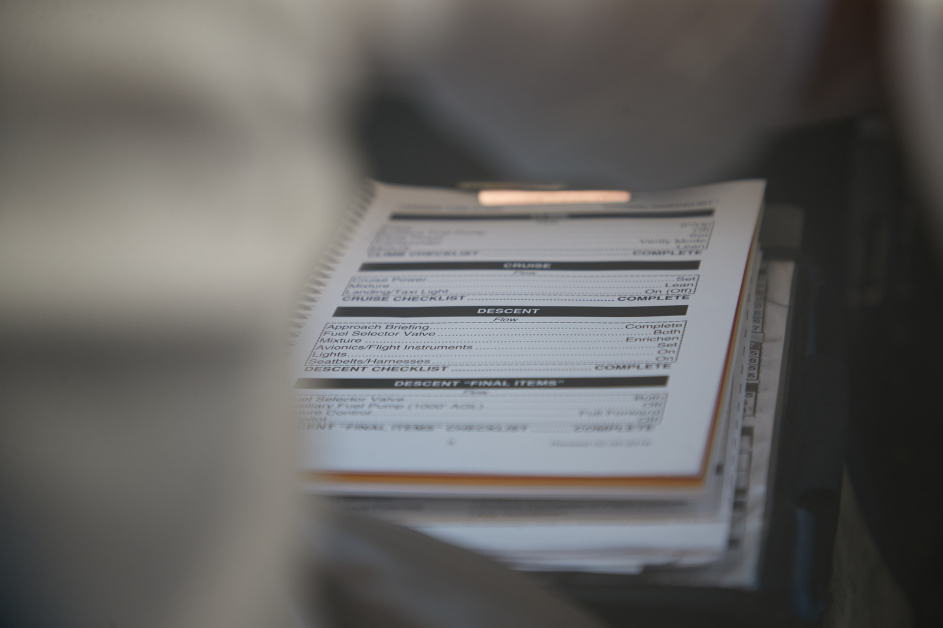
- Assessing weather conditions
- Conducting an engine and systems check
- Aircraft configuration
- Safety and security checks
- Reviewing NOTAMs
- Reviewing flight route planning
Flight school is a crucial part of how to become a pilot, giving students the pilot training they need to handle the real-world demands of commercial aviation. During flight training, students learn essential pre-flight procedures that build both technical skill and a strong mindset of accountability. These pre-flight routines ensure that every flight begins with safety as the top priority. As training progresses, student pilots develop the ability to anticipate challenges, make confident decisions under pressure, and communicate effectively with aircraft traffic control and ground crews. These are core skills required for anyone serious about becoming a pilot.
Post-Flight Responsibilities
When the pilot has landed safely, post-flight checklists are completed by pilots that include:
- Securing the aircraft
- Completing flight reports
- Update logbooks to record flight time and observations
- Security checks
- Coordinating with ground staff at the airport of arrival
In addition to the above responsibilities, pilots may debrief with their flight crew to address operational issues, if any. This helps improve performance and operations during future flights. The pilot is also responsible for noting any maintenance concerns that need to be addressed before an aircraft can make its next flight. This ensures peak safety and performance of an aircraft for its next journey.
Airlines may have their own specific responsibilities for pilots before and after landing. This can include submitting digital flight records, checking in with dispatch, or reviewing upcoming flight assignments. Pilots may also have to communicate with customs or airport authorities, depending on where they land.
During flight training, student pilots learn not only how to complete technical checklists but also how to develop habits of accountability, communication, and situational awareness that carry over into their future careers. These responsibilities enforce the importance of safety and reliability, which remain at the core of any pilot’s job.
Maintaining FAA Training and Certifications
Commercial pilots must maintain all valid licenses and ratings required to operate a multi-engine aircraft for an airline. These must be maintained and valid throughout their entire career, so long as they continue operating aircrafts. In the U.S., pilot licenses do not expire. However, pilots must maintain current requirements for operating an aircraft for an airline, including passing a biennial flight review.
Medical certificates must be maintained as well. Pilot medical certificates are valid for a certain amount of time, depending on the pilot’s age, before being renewed. Pilots under the age of 40 have a valid medical certificate for 12 months, while pilots over the age of 40 have to renew every 6 months.