
If you’re thinking of becoming a commercial pilot, one of your first questions might be about flight safety, both in your career and throughout training. The good news is that flight safety isn’t just a topic touched upon once in a single class. It’s the driving focus at every stage of your flight training, from your first ground school lesson to your final checkride. Then, it remains in focus throughout your career working for a commercial airline.
How Safe Is Flying?
You’ve probably heard the statistic that flying is safer than driving, and the data backs it up. Commercial aviation consistently ranks among the safest forms of transportation in the world, thanks in large part to rigorous training standards, advanced technology, and a culture of accountability that starts the moment a student pilot walks through the door of a flight school.
In addition, pilots are trained from the start of flight school throughout their career to follow FAA regulations and safety procedures. The FAA regulations make flying one of the most heavily regulated modes of transportation, adding to its safety.
Safety-Focused Ground School Training
Before you ever sit in the cockpit, you’ll spend significant time in ground school. Flight safety is something instilled in students from Day 1 and carried throughout ground school and flight training. Students learn the principles of aerodynamics, meteorology, navigation, and FAA regulations, all of which directly inform safe decision-making in the air.
Students who train through a part 141 flight training program follow an FAA-structured curriculum that ensures nothing critical gets skipped.
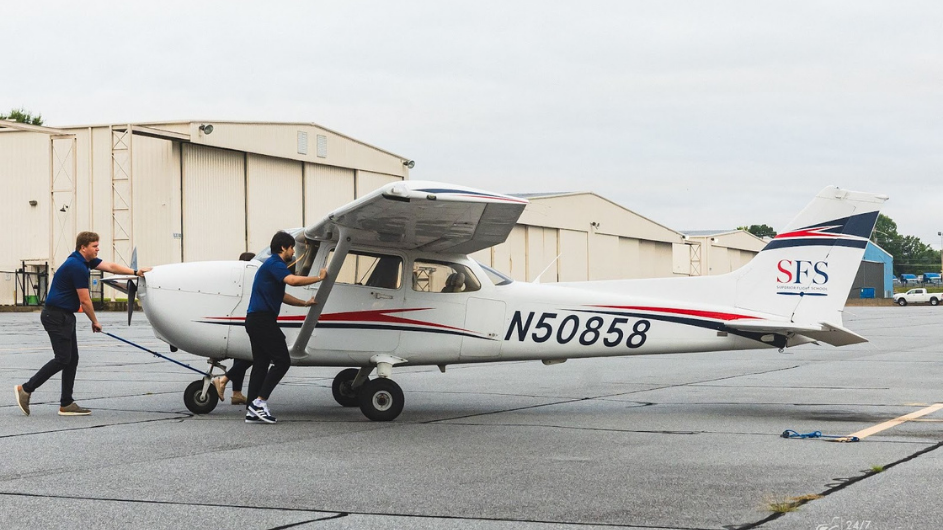
Part 141 programs are often preferred by students pursuing a commercial pilot certificate, as their career will be based around following FAA rules and regulations on safety. The curriculum is organized to build knowledge systematically, with safety in focus at every stage of training.
Ground school also introduces students to Crew Resource Management (CRM), the practice of effective communication and aeronautical decision-making that reduces human error when flying.
Preflight Inspections and Aircraft Maintenance
One of the first practical skills a student pilot trains on even before taking to the skies is how to conduct a preflight inspection. Before every single flight, pilots walk through a detailed pre-flight checklist to verify that the aircraft is safe to operate. This includes an inspection of everything from control surfaces and fuel levels to lights, tires, and engine oil. It’s intentionally thorough, ensuring that nothing occurs during flight that wasn’t expected.
Superior Flight School, along with every other FAA-approved flight school, maintains the training fleet in adherence to the FAA’s strict standards as well. Aircraft undergo regular inspections in accordance with FAA maintenance requirements, and any mechanical issue grounds the plane until it’s resolved. Students learn early that there are no shortcuts when it comes to airworthiness, and that lesson stays with them throughout their career.
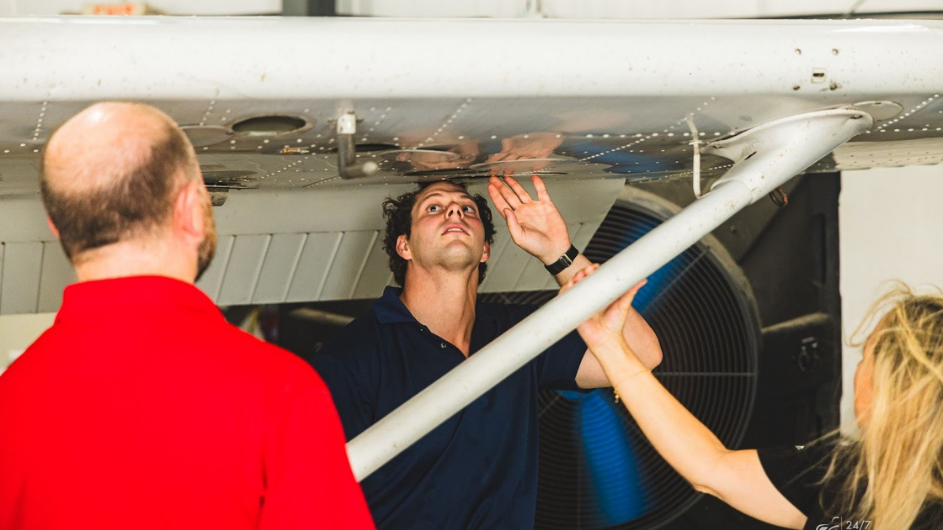
This hands-on relationship with the aircraft is one of the most practical aspects of flight training. It instills a level of mechanical awareness and personal responsibility in pilots that they carry throughout their entire career.
In-Flight Training and Emergency Procedures
Simulator sessions and actual flight time both play a role in preparing student pilots for the unexpected. Emergency procedures are practiced repeatedly so that when, or if, something a situation occurs, a pilot’s response is instinctual, rather than panicked.
Students train for scenarios like engine failures, electrical malfunctions, and unexpected weather encounters. Accelerated flight training programs are particularly effective here because the condensed schedule keeps students consistently engaged, building muscle memory and situational awareness faster than extended, intermittent training might allow.
Flight instructors are trained not just to teach maneuvers, but to evaluate each student’s decision-making in real time. The goal isn’t just to get a student through a checkride. It’s to develop pilots who think clearly and calmly under pressure.
The Role of the Aviation Safety Committee
There are several aviation safety committees that help ensure the protection of everyone who takes to the skies. For example, the FAA’s Aviation Security Advisory Committee (ASAC) and the General Aviation Joint Safety Committee (GAJSC). Not only do they advocate for flight safety, they also develop policies, analyze real data, and provide recommendations to the FAA and airlines to enhance aviation safety and security. Over time, this helps improve regulations and reduce risks in commercial and general flight operations.
Building a Safety-First Mindset as a Pilot
Technical skills are only part of what makes a safe pilot. Attitude matters just as much. The best flight schools work to instill a safety-first mindset from day one. This mindset values humility, ongoing learning, and sound judgment over ego or bravado.
That means learning to recognize personal minimums, understanding when to delay or cancel a flight due to weather or fatigue, and being willing to speak up when something doesn’t feel right. These habits distinguish experienced, trustworthy pilots from the rest.