
Learning approaches is a fundamental part of flight training through both Part 61 and Part 141 programs. An approach is the phase of flight where an aircraft transitions from cruise altitude to landing, following specific procedures to safely navigate to the runway. Mastering approach procedures is essential for any future pilot, whether you are flying in clear skies or poor weather conditions.
Types of Approaches
There are different types of aviation approaches, which fall into three categories: precision, approach with vertical guidance, and non-precision. Student pilots learn to master all types of approaches during flight school, with each type of approach requiring its own mix of navigation equipment, weather conditions, and aircraft capabilities.
Precision
A precision approach in aviation is one of the most accurate approach types, providing lateral and vertical guidance. The most common precision approach is the Instrument Landing System (ILS), which uses radio signals to guide the aircraft along an exact path on the runway. This dual guidance allows student pilots to fly approaches in low visibility conditions. ILS is the only system approach for the FAA Category II/III operations.
Other examples of precision approaches include Ground-Based Augmentation Systems (GBAS) and Precision Approach Radar (PAR). Students learn all about different kinds of precision approaches during ground school before taking flight.
Approach with Vertical Guidance
An Approach with Vertical Guidance (APV) bridges the gap between precision and non-precision approaches. This approach also provides both lateral and vertical guidance for landing, similar to precision ILS approaches. However, APV requires GPS technology as opposed to ground-based transmitters.
This type of approach also allows for a lower minimum than non-prevision approaches but is not officially a precision approach, based on ICAO standards.
Non-Precision
Non-precision approaches only provide lateral guidance. This requires pilots to be able to manage their own descent to the runway while monitoring distance and altitude from the tarmac. Timing or GPS distance help ensure safety on descent and require a higher minimum descent altitude than precision approaches.
Instrument Approach Procedures
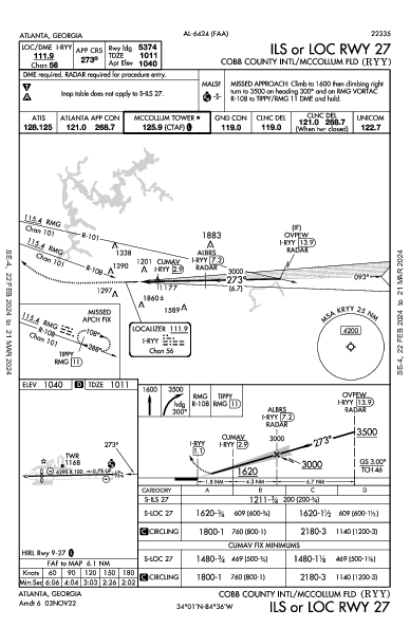
Instrument approach procedures are published, standardized methods of navigating from flying to landing under IFR. The procedures provide obstacle clearance and ensure safe navigation in poor visibility conditions.
Every approach procedure consists of several segments. The initial approach segment guides you from the en route environment to the intermediate segment. The intermediate segment provides a transition to align with the final approach course while allowing you to configure the aircraft and complete approach checklists.
The final approach segment begins at the final approach fix and continues to the missed approach point or decision altitude. This is where you’ll intercept the glideslope or establish your descent rate while monitoring for the runway environment. If you don’t have the required visual references at minimums, you must execute the published missed approach procedure.
Approach Category Speeds
Aircraft approach categories determine the minimum visibility and altitude requirements for different approach types. During flight training, students learn all categories of approaches to determine which minimums to use on approach charts. Aspiring pilots also learn to maintain consistent approach speeds appropriate for each specific aircraft they operate. Proper speed control insurers that pilots execute stabilized approaches and smooth landings.
Weather Considerations
Weather is a significant consideration for pilot approach planning and execution. Before every fly, pilots must assess current weather conditions and impending weather conditions at their destination, including cloud ceilings, visibility, wind, and temperature.
Fortunately, Superior Flight School offers flight training in Georgia, where weather conditions tend to be much more consistent and favorable than the harsh weather experienced in Northern states. This helps students prepare to navigate in different weather conditions before they have to experience them, learning basics and honing skills to prepare for training in harsher weather conditions.
Learn Approaches During Flight Training
At Superior Flight School, mastering approaches is a cornerstone of our comprehensive pilot training programs. From basic visual approaches during private pilot training to complex instrument approach procedures during instrument rating courses, we provide thorough instruction in all approach types.