Vocational training is a type of education that prepares individuals for a specific and specialized career or trade through hands-on instruction. When it comes to being a pilot, flight school is a form of vocational training, as students receive the specialized skills and hands-on flight experience needed to operate an aircraft as a job. Rather than just pursuing an academic curriculum, vocational programs give students access to direct knowledge, skills, and certifications needed to start their desired career.
Why Vocational Training Is a Popular Alternative to College
Most students are told that the path after high school is to attend a four-year college program. But, college by itself is not the only way to get a high-paying job after high school. Becoming a pilot requires specialized training and real-world experience. To become a pilot, getting a college degree is optional. Some students opt to obtain a college degree while in flight school in order to gain a competitive edge when applying to work for a desired airline. Others attend flight school alone and are still able to get hired at major airlines.
For those who want to get right into a career, opting for vocational training instead of college often gets individuals into their desired career faster. In addition, it can be a much more cost-efficient alternative to college.
How Vocational Training Works
Vocational programs are designed around competency. Students must be able to demonstrate specialized knowledge and be able to actually perform skills needed in their chosen field. It goes beyond a written exam and involves hands-on practice towards obtaining specific certifications and licenses.
In terms of flight school, flight training goes beyond just the FAA written exam that students need to pass to become a pilot. They must be able to apply specific maneuvers, demonstrate their understanding of communication with Air Traffic Control, apply their knowledge and understanding of weather patterns and aerodynamics to safe flying decisions, and apply this learning to Real-Life Scenarios that may arise in their pilot career.
Types of Vocational Training Programs
There are plenty of types of vocational training programs across a wide range of industries. The most common ones are:
- Skilled trades
- Technology
- Aviation
- Cosmetology and Esthetics
- Culinary Arts
Why Flight School Is Considered Vocational Training
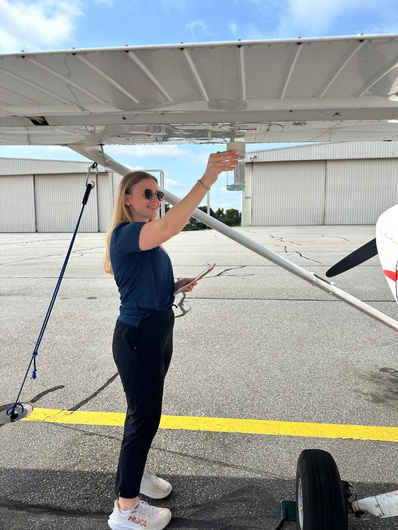
Flight school is considered vocational training because of the heavy focus on specialized skills that prepare students for their future career. Like other vocational fields, flight training is structured around licenses. The FAA requires student pilots to obtain several licenses and ratings before they can work as a commercial pilot for an airline.
Flight school programs are designed to guide students through all the requirements and knowledge they will need daily during their job as a pilot. This begins with ground school in a classroom before transitioning to real, hands-on experience in the cockpit.
What You Learn in Vocational Flight Training
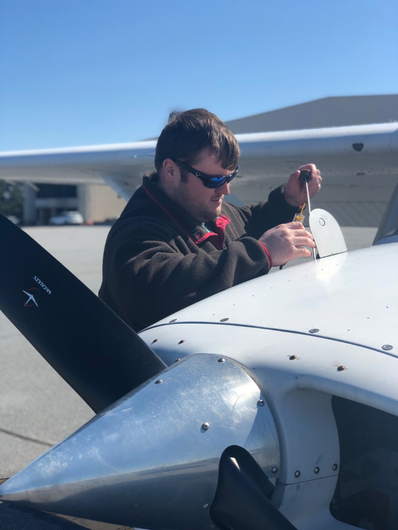
When a student attends vocational flight training, they connect aeronautical knowledge with flight experience. Both are required to become a pilot, and both are tested by the FAA before any certificate is issued. Students complete ground school, which focuses on knowledge items, Aircraft Systems, Physics, Aerodynamics, and Weather factors. This ties directly into their Flight Training, which applies these items to learning maneuvers, skills, and safety oriented training in the aircraft.
All the training students receive in flight school help them pass their FAA checkrides and written exams, getting them closer to becoming an airline pilot one license at a time. If you are interested in becoming a pilot through vocational flight training, contact Superior Flight School to get started through a Part 141, Part 61, or accelerated program.
What You Learn in Vocational Flight Training
When a student attends vocational flight training, they connect aeronautical knowledge with flight experience. Both are required to become a pilot, and both are tested by the FAA before any certificate is issued. Students complete ground school, which focuses on knowledge items, Aircraft Systems, Physics, Aerodynamics, and Weather factors. This ties directly into their Flight Training, which applies these items to learning maneuvers, skills, and safety oriented training in the aircraft.
All the training students receive in flight school help them pass their FAA checkrides and written exams, getting them closer to becoming an airline pilot one license at a time. If you are interested in becoming a pilot through vocational flight training, contact Superior Flight School to get started through a Part 141, Part 61, or accelerated program.