If you are interested in beginning your journey to becoming a commercial pilot, you will spend a considerable amount of time in a Cessna 172 aircraft. This reliable aircraft has been the cornerstone of Part 61 and Part 141 flight training for decades. It introduces countless student pilots to the fundamentals of aviation. Here is a guide that will introduce you to the aircraft’s capabilities and characteristics that will help you make the most of your training to become a commercial pilot.
What Is a Cessna 172?
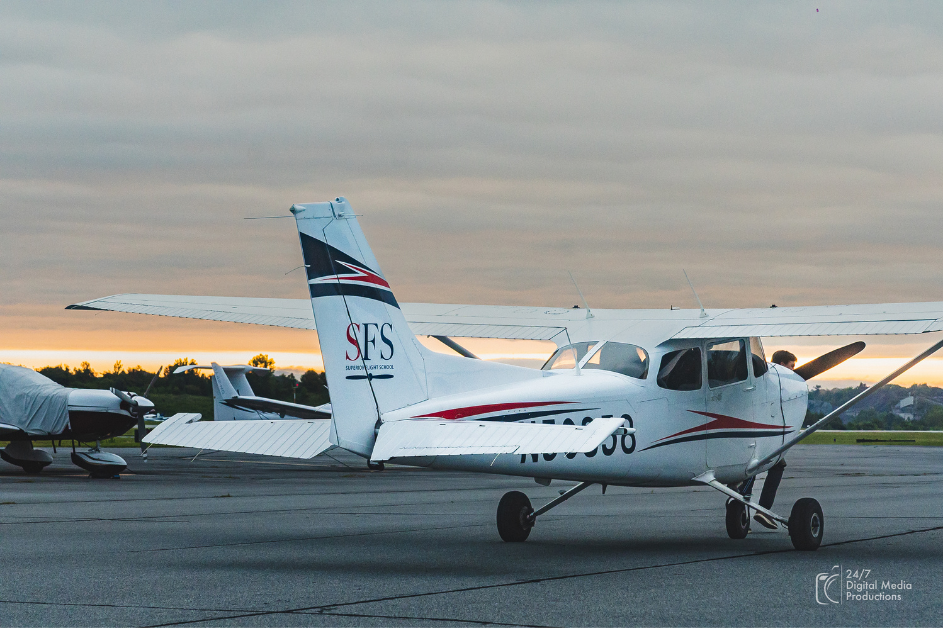
The Cessna 172 Skyhawk is a four-seat, single-engine aircraft that has earned its reputation as one of the most successful airplanes in aviation history, making it an ideal choice for flight training. Since its introduction in 1956, Cessna has produced more than 44,000 of these aircraft, making it the most-built airplane of all time.
This fixed-wing aircraft features a high-wing design, offering great visibility to beginner pilots. The Cessna 172 also has a reputation for stability, forgiving handling, and simple controls. The design of the Cessna Skyhawk prioritizes stability over speed (with a maximum cruise speed of 124 ktas) allowing students to focus more on maneuvers, takeoffs, landings, safety, and control before speed.
How to Fly a Cessna 172
Before you can take to the skies for the first time in a Cessna Skyhawk, student pilots must pass a medical examination, get an endorsement from a certified flight instructor (CFI), and obtain a student pilot certificate. To fly solo while still in flight school, you will also need a student pilot certificate.
Flying a Cessna 172 begins with preflight requirements. Students and their CFI check everything from fuel levels to control surface movement. Following a preflight checklist is essential for safety in the skies.
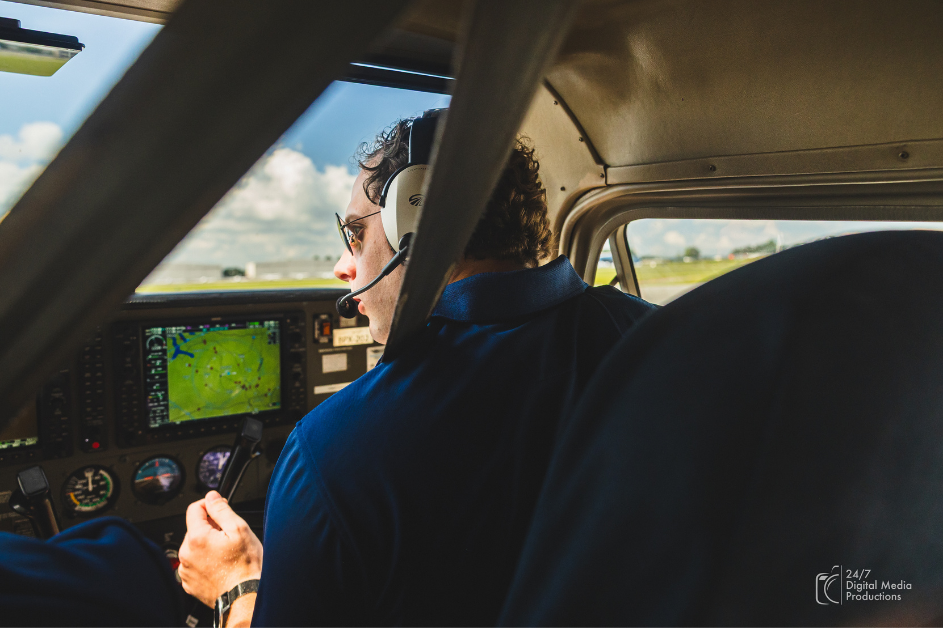
During the initial flight as a student pilot, a student will learn basic handling and how the aircraft responds to control inputs. Understanding how an aircraft flies is essential to safety both during lessons and post-flight training. With this aircraft, students can accumulate experience honing their skills while flying.
Cessna 172 Checklist
Every flight begins with a checklist. CFIs ensure that students are prepared long before takeoff. On the ground, aspiring pilots learn to follow procedures that ensure the area is clear and all systems are configured properly. The preflight checklist helps students verify engine performance, fuel quantity and quality, proper oil levels, all required documents are on board, and engine performance is in good condition for flight.
In-flight checklists are also used to track cruising speeds, descent, ascent, and approach procedures. During flight training, students begin using checklists that will carry them through their career as a commercial pilot.
How High Can a Cessna 172 Fly?
Typically, the maximum height that a Cessna 172 flies is 15,000 feet. A Cessna 172 Skyhawk flies at an average cruising altitude of 3,000 to 15,000 feet. Altitude that a pilot flies depends on a variety of factors, including weather conditions, air traffic regulations, and the type of flight taking place.
How Far Can a Cessna 172 Fly?
A Cessna Skyhawk is reliable in terms of fuel management, due to its low fuel burn. On a full tank, it can fly approximately 600-800 nautical miles. Again, this depends on factors like weather, altitude, model/age of the aircraft, and load weight in the aircraft.
How Much Fuel Does a Cessna 172 Hold?
A Cessna Skyhawk holds 56 gallons of fuel. This aircraft is reliable in terms of fuel management, due to its low fuel burn. The efficiency of a Cessna Skyhawk makes it a reliable aircraft to train with, offering the ability to cover even lengthy flying lessons.
Cessna 172 Flight Training
Whether you want to become a pilot for a commercial airline or even a cargo pilot, the Cessna 172 offers the ability to forge a strong foundation of experience. Students training through both Part 61 and Part 141 training programs benefit from flying this aircraft. If you are ready to begin your aviation career, contact Superior Flight School to take the first step towards earning your pilot licenses and ratings.